
What Is Yin Yoga — and Why We Love Ending Our Practice With It
In a world that often feels fast, loud, and demanding, Yin Yoga offers something quietly powerful: the opportunity to slow right down.
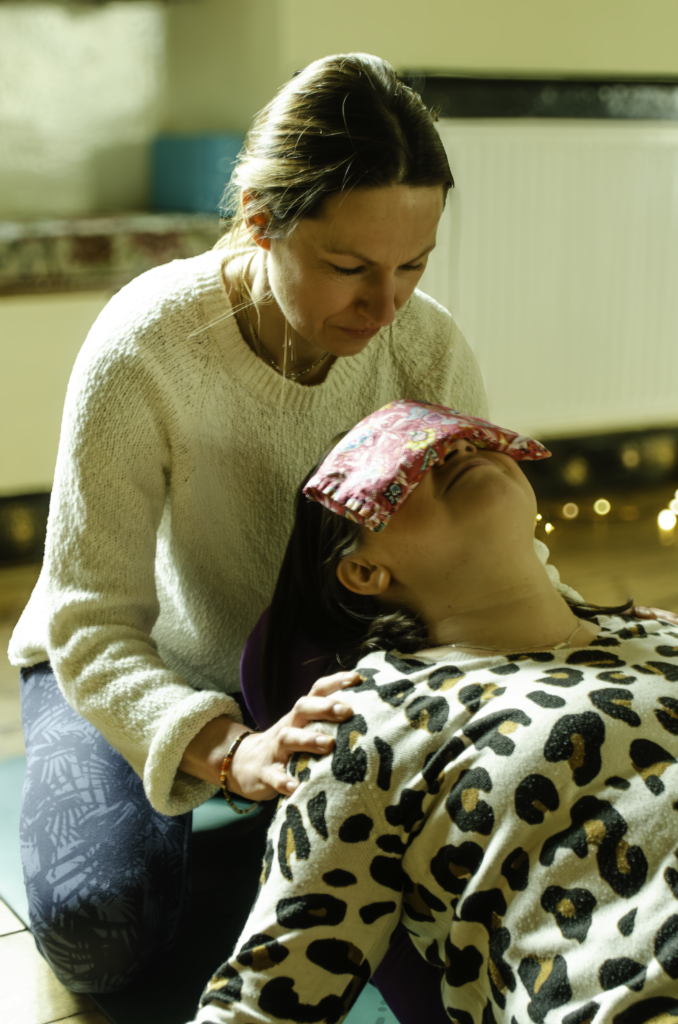
Yin Yoga is a gentle, meditative style of yoga where poses are held for longer periods of time, typically between two and five minutes. Rather than focusing on muscular strength or dynamic movement, Yin works deeper in the body, targeting the connective tissues such as fascia, ligaments, and joints. The practice encourages stillness, patience, and a softening of effort — both physically and mentally.
Unlike more active styles of yoga, Yin asks us not to push or strive. Instead, we settle into each pose with support, allowing gravity to do the work. Over time, this can help improve mobility, circulation, and joint health, while also creating a profound sense of calm.
Yin Yoga and the Nervous System
One of the most beautiful benefits of Yin Yoga is its effect on the nervous system. By slowing the breath and holding poses in a relaxed way, Yin activates the parasympathetic nervous system — often referred to as the “rest and digest” state. This can help reduce stress, quiet the mind, and create space for deeper awareness.
Many people find Yin to be as much a mental practice as a physical one. The longer holds invite you to observe sensations, thoughts, and emotions as they arise, without needing to change them. It’s a practice of listening rather than doing.
Our Flow & Restore Session: Vinyasa + Yin
In our Flow & Restore session, we combine the best of both worlds.
The class begins with 40 minutes of Vinyasa Yoga, a flowing and dynamic practice that builds heat, strength, and mobility. Movement is linked with breath, helping you energise the body, improve focus, and release tension through mindful motion.
After the active flow, we transition into 20 minutes of Yin Yoga. This is where the pace slows, the lights soften, and the body is invited to rest. Moving into Yin after Vinyasa allows the muscles to relax fully, making it easier to access deeper layers of tissue and encouraging a sense of release after the more dynamic work.
This combination creates a beautifully balanced practice:
- movement followed by stillness
- effort followed by ease
- energy followed by deep restoration
Why We Finish With Yin
Ending the session with Yin helps the body absorb the benefits of the flow, while offering space to settle and integrate. Students often leave feeling not only stretched and relaxed, but also grounded, calm, and restored — physically and mentally.
Whether you’re new to yoga or have been practicing for years, this blend of Vinyasa and Yin offers a supportive and nourishing experience, helping you move with intention and rest with purpose.